Before you tighten
- Clean the flange faces and check for scratches across the sealing face.
- Check the gasket: right size, class and material, undamaged, new.
- Clean and lubricate bolt threads and nut faces with the specified lubricant. Friction decides how much of the torque becomes bolt load.
- Align the flanges. Do not use the bolts to pull misaligned pipe together.
- Number the bolts clockwise around the flange.
Star (cross) pattern by number of bolts
With bolts numbered clockwise, tighten in this order:
| Bolts | Tightening order |
|---|---|
| 4 | 1, 3, 2, 4 |
| 8 | 1, 5, 3, 7, 2, 6, 4, 8 |
| 12 | 1, 7, 4, 10, 2, 8, 5, 11, 3, 9, 6, 12 |
| 16 | 1, 9, 5, 13, 3, 11, 7, 15, 2, 10, 6, 14, 4, 12, 8, 16 |
The rule is the same for any number of bolts: go to the bolt opposite, then a quarter turn round, then opposite again, so the load builds evenly.
Tightening in passes
| Pass | Bolt load | Pattern |
|---|---|---|
| Snug | Hand tight, check the gap is even | Star |
| 1 | About 30% of the target torque | Star |
| 2 | About 60–70% of the target torque | Star |
| 3 | 100% of the target torque | Star |
| 4 | 100%, repeat until no nut turns | Circular, clockwise |
This staged method follows the practice described in ASME PCC-1, the guideline for bolted flange joint assembly.
What torque value to use
The target torque depends on the bolt size and grade, the lubricant, the gasket type and the flange rating, so there is no single figure per flange. Use the value in your site procedure or from the joint designer. Send us the flange size, class, bolt grade and gasket type and our engineers will advise the seating stress the gasket needs.
Need a quote? Send size, class, material and quantity to sales@jaygaskets.com or WhatsApp +91 90821 00050.
Notes by gasket type
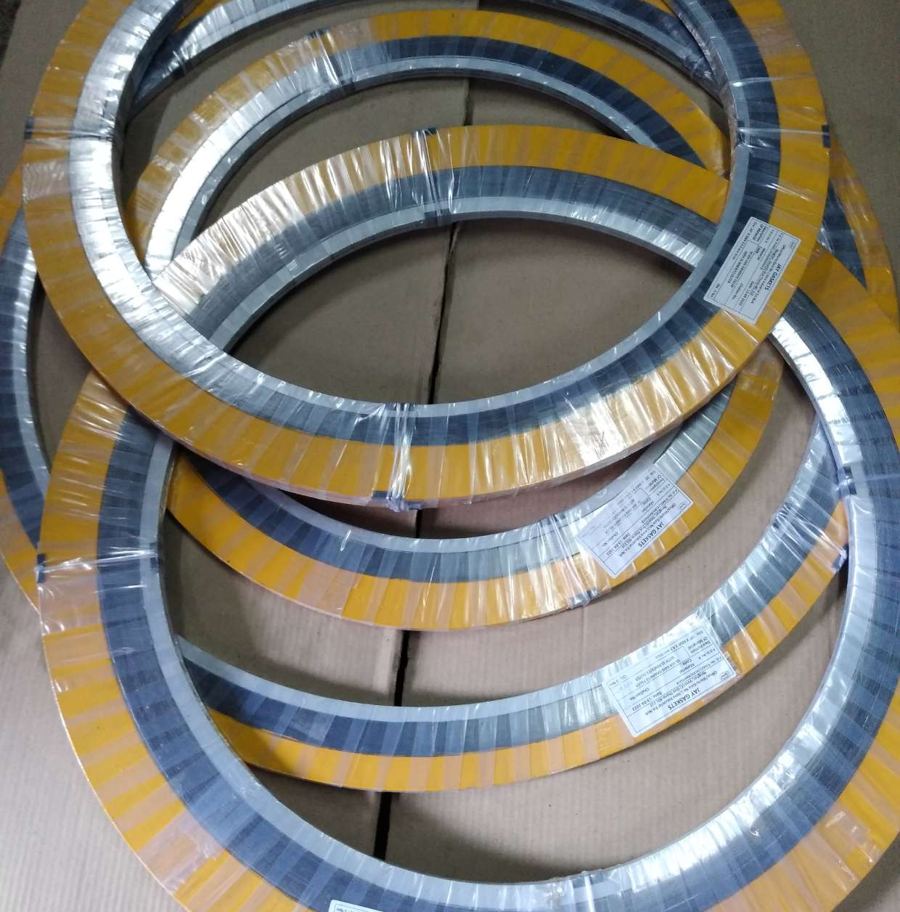
- Spiral wound: tighten until the flange nears the centering ring; never rely on the ring to carry bolt load.
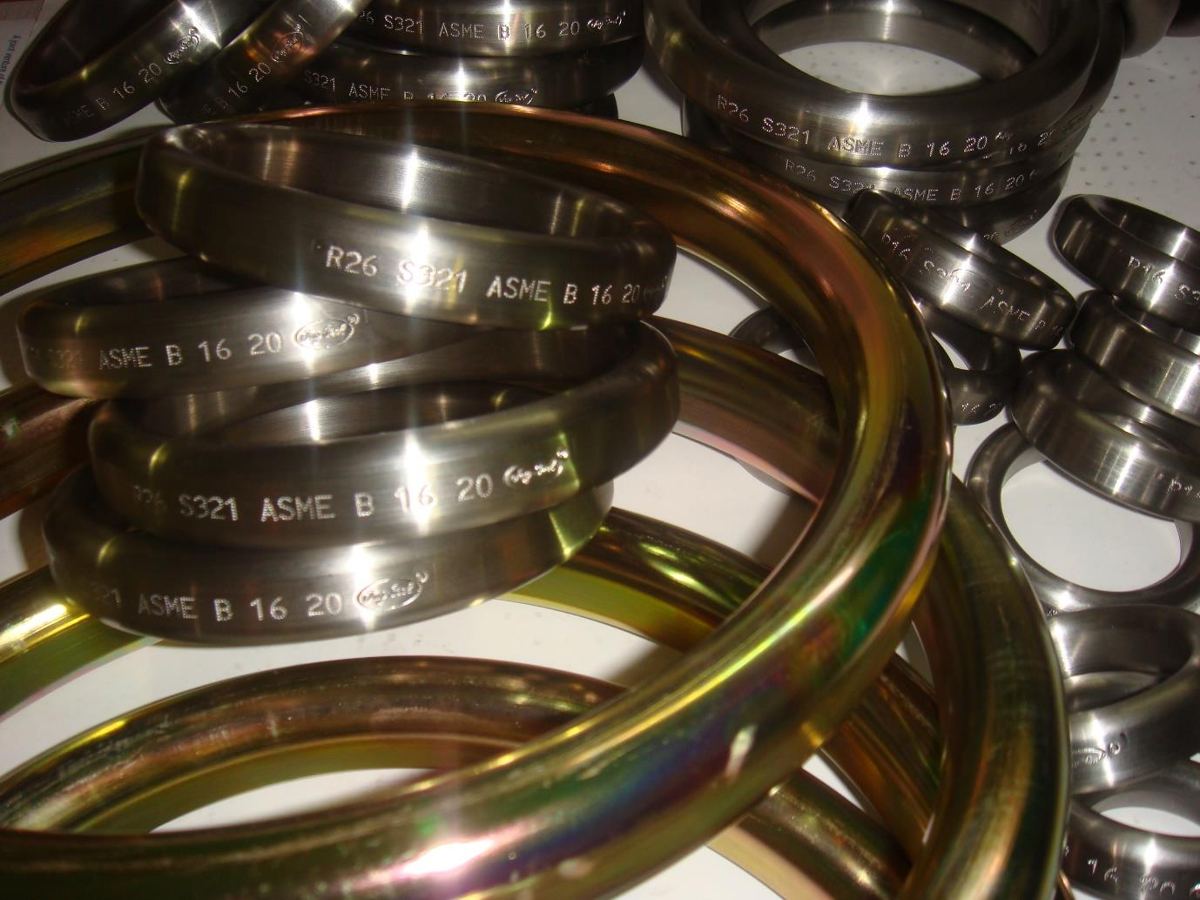
- Ring joint: keep the flange gap even all round as the ring seats in the groove.
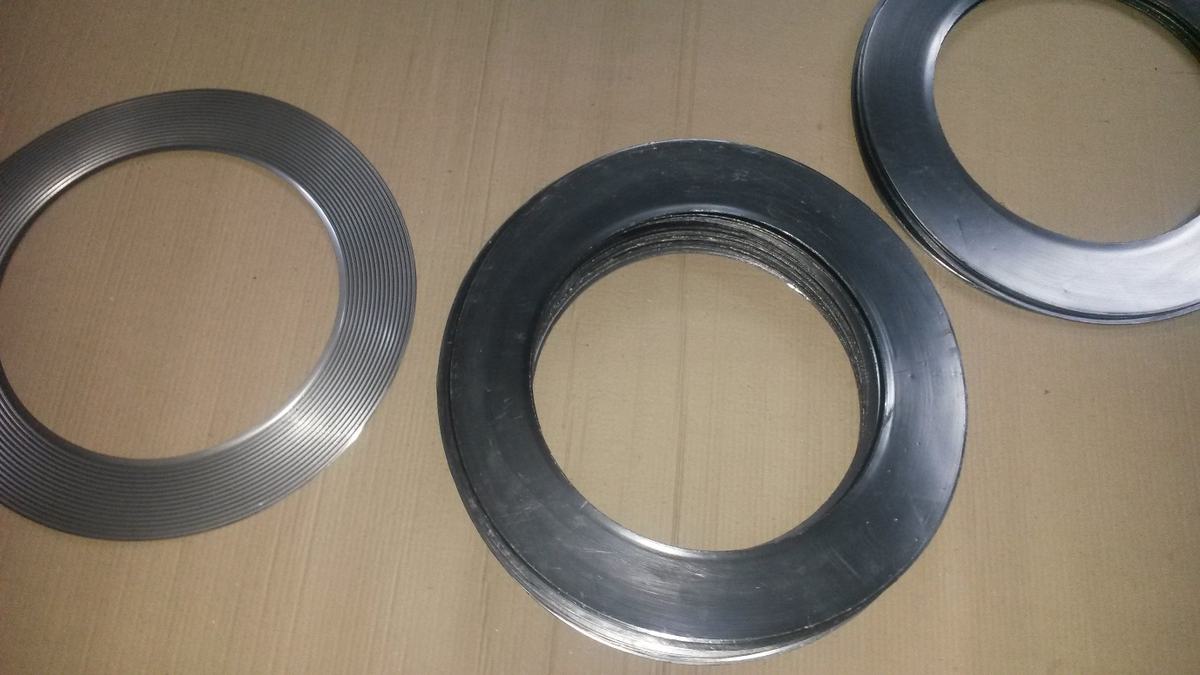
- Kammprofile: seals at lower stress; do not over-tighten soft facings.
- PTFE and non-asbestos sheet: these relax after first tightening, so follow your site procedure for re-tightening before start-up.
If a joint leaks after correct assembly, see spiral wound gasket failure: 8 causes.