
Cathodic protection · Type E · F · D · Mumbai, IndiaFlange Insulation Gasket Kits
Seal the flange and break the electrical path in one kit. Gasket, sleeves and washers that stop galvanic corrosion and keep cathodic protection working on oil, gas and water pipelines.
Four parts. Zero current.
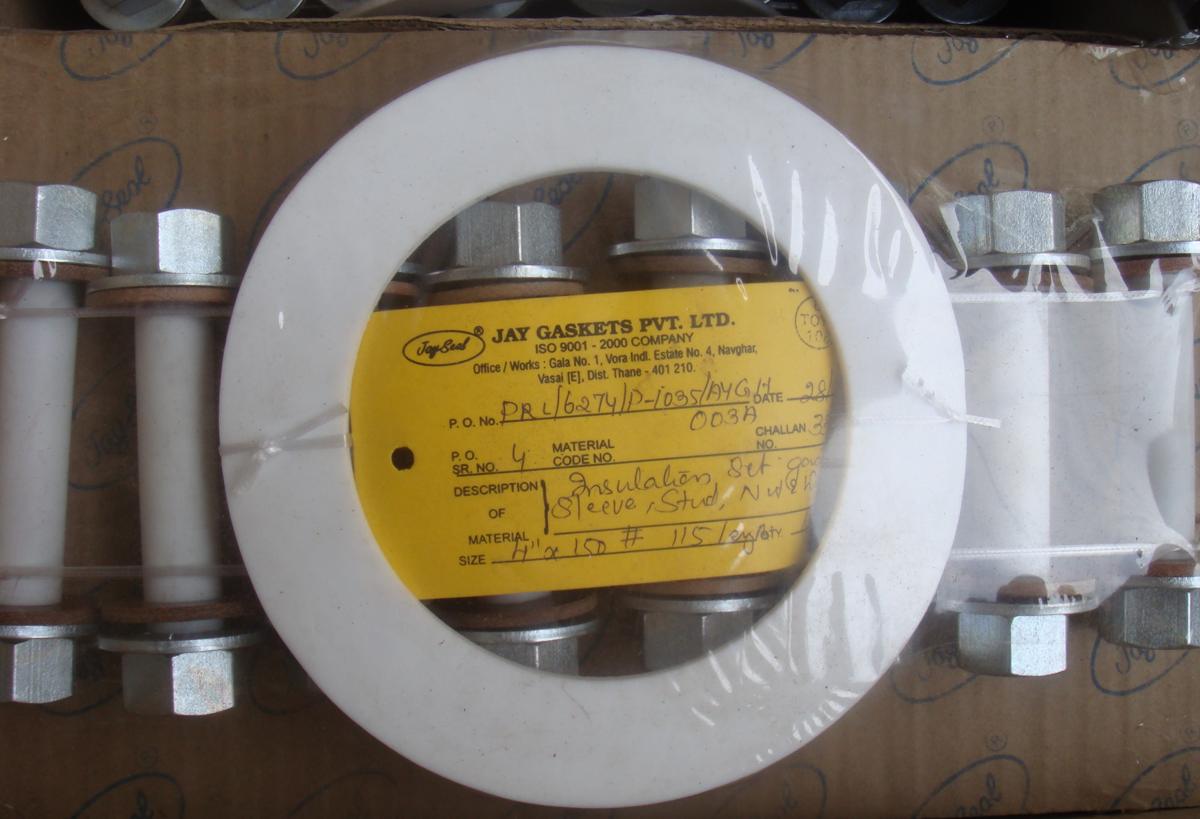
Every metal part that could carry current between the two flanges is isolated: the gasket separates the faces, sleeves cover the bolts, and insulating washers sit under every nut.
 3D render
Insulating gasket
Seals the joint and separates the flange faces. Neoprene faced phenolic or G-10 glass reinforced epoxy.
Full-length bolt sleeve
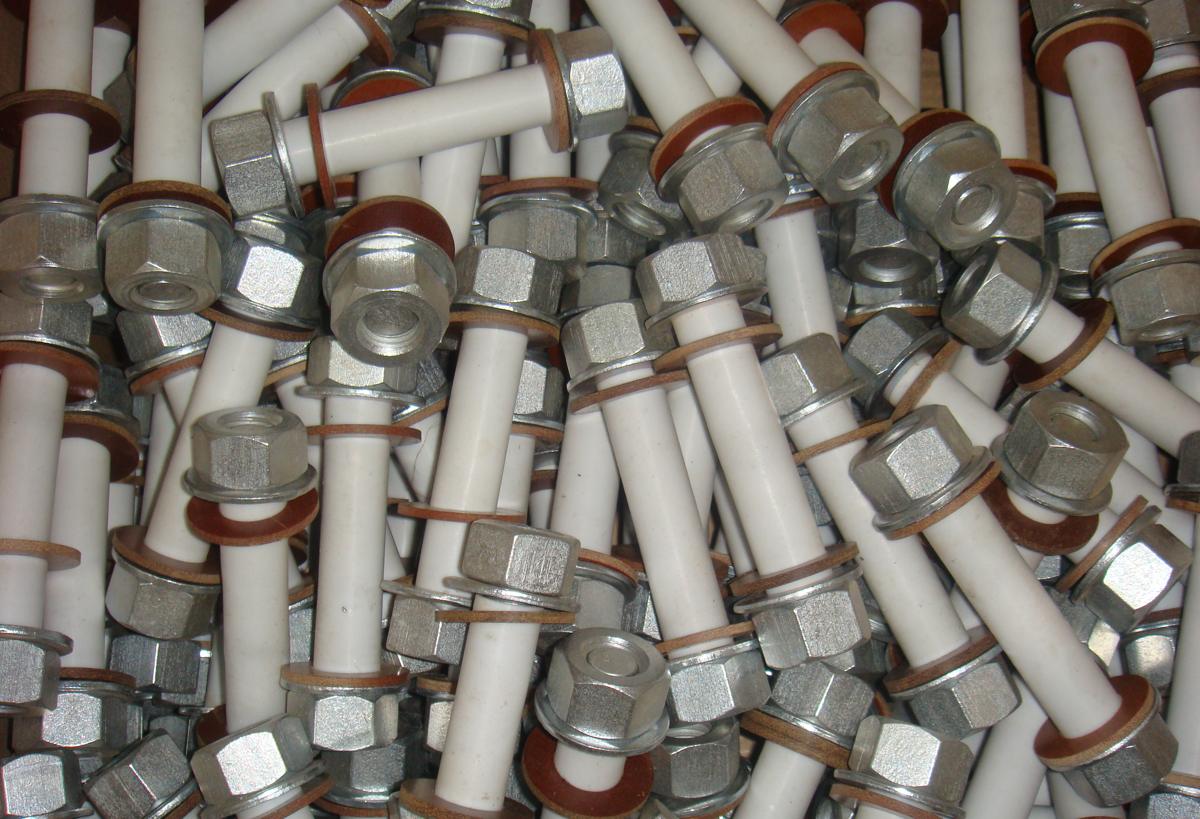
One per bolt, so the bolt never touches the flange bore. Phenolic, polyacetal or G-10.
Insulating washer
Two per bolt, under each nut, so the nut cannot bridge the joint.
Plated steel washer
Two per bolt, over the insulating washers, to spread the load and protect them while tightening.
Pick the kit for your flange face.
Three gasket styles cover flat face, raised face and ring joint flanges, in Class 150 to 900 and API ratings.
Full face
Gasket covers the whole flange face with bolt holes. Best isolation and keeps dirt out of the bolt area.
Flat & raised faceRaised face
Inside-bolt-circle gasket that sits within the bolts on raised face flanges.
Raised faceRing joint
Oval insulating ring that fits the groove of an RTJ flange.
RTJ flangesChoose by pressure, temperature and fluid.
Neoprene faced phenolic covers most water and low-pressure lines. G-10 glass reinforced epoxy is the choice for higher pressure, hydrocarbons and higher temperatures.
Gasket
The sealing and insulating element
Sleeves & washers
One sleeve and four washers per bolt
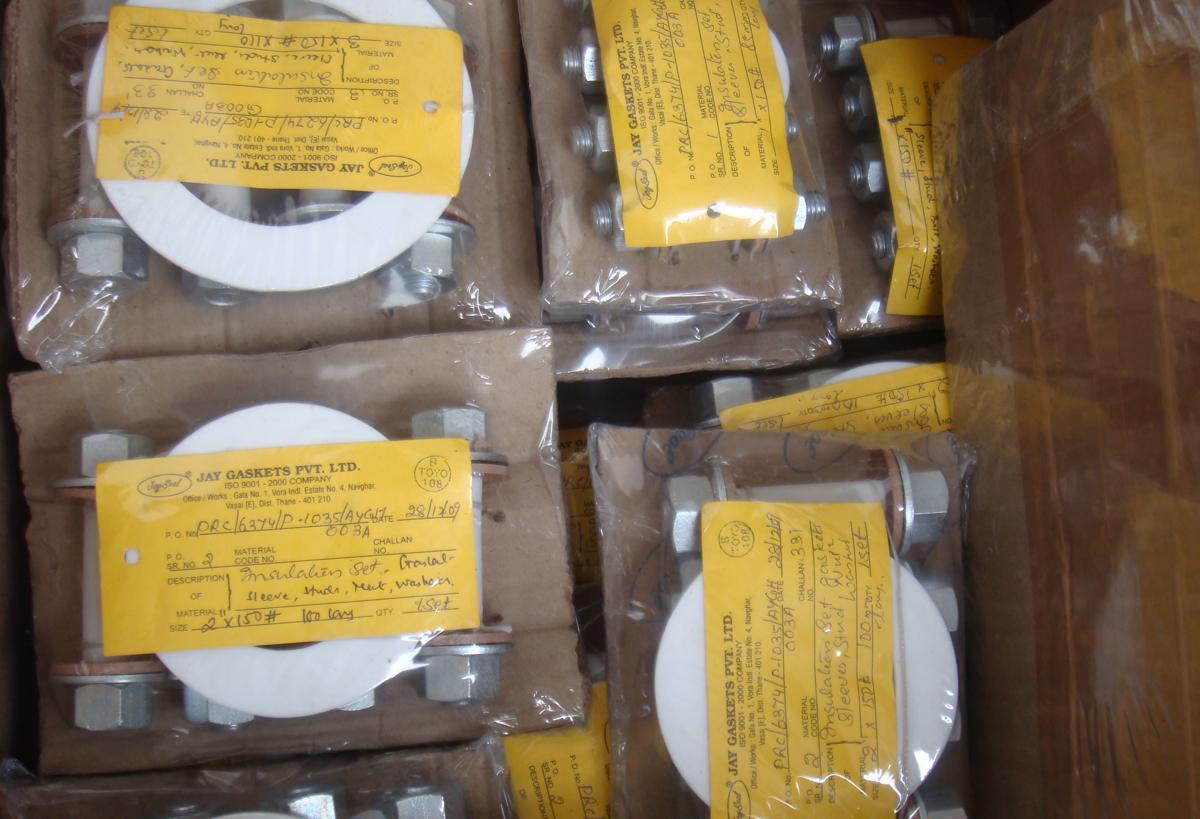
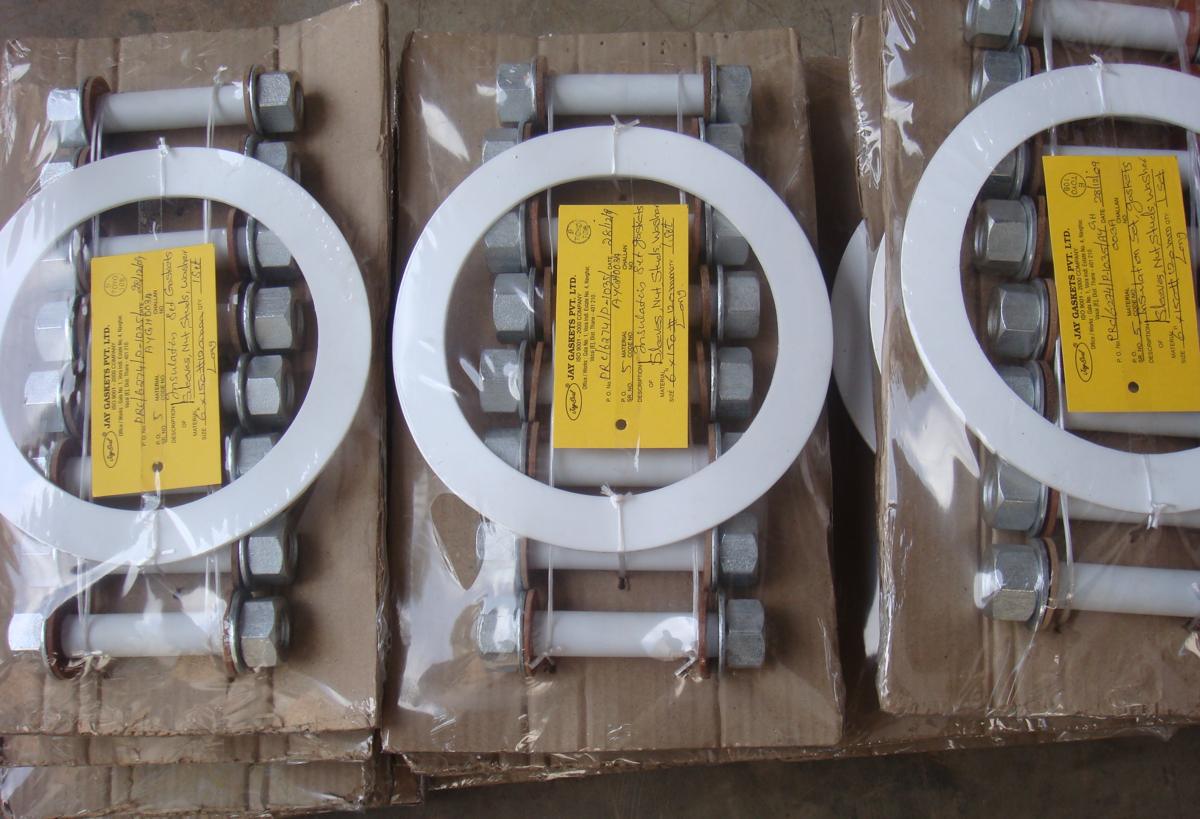
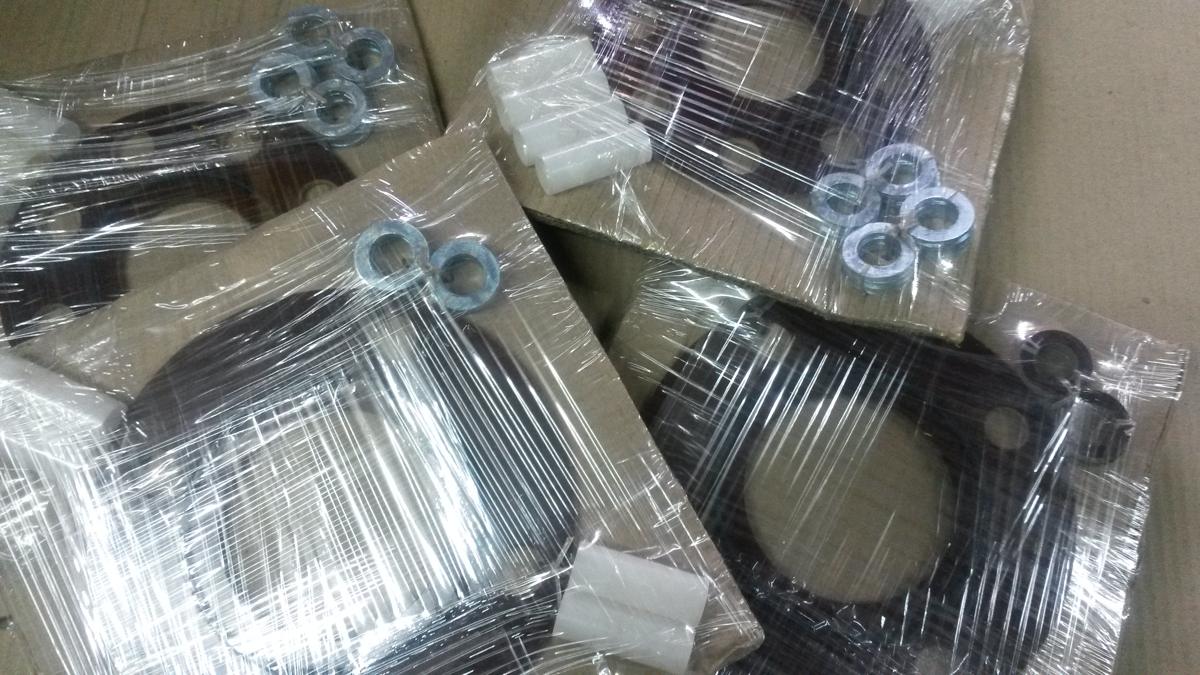
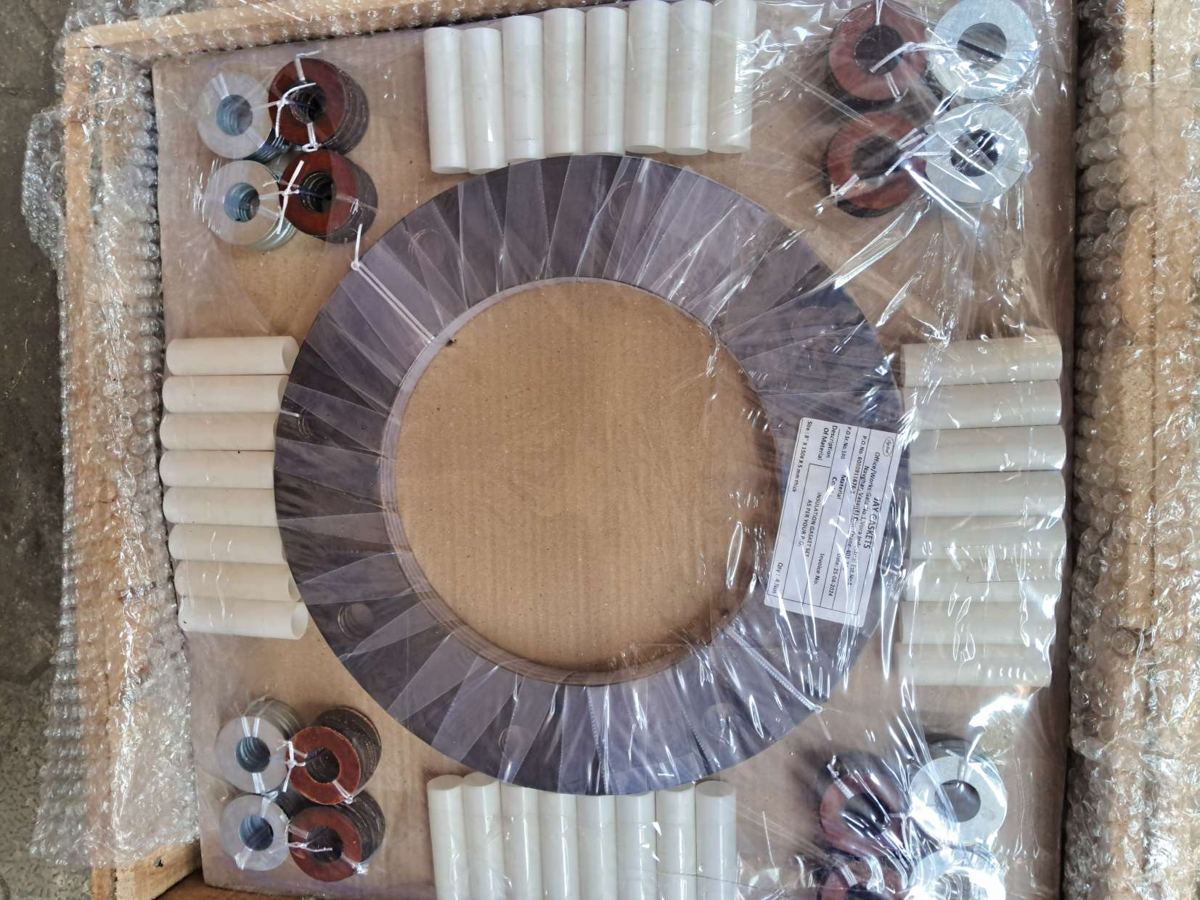
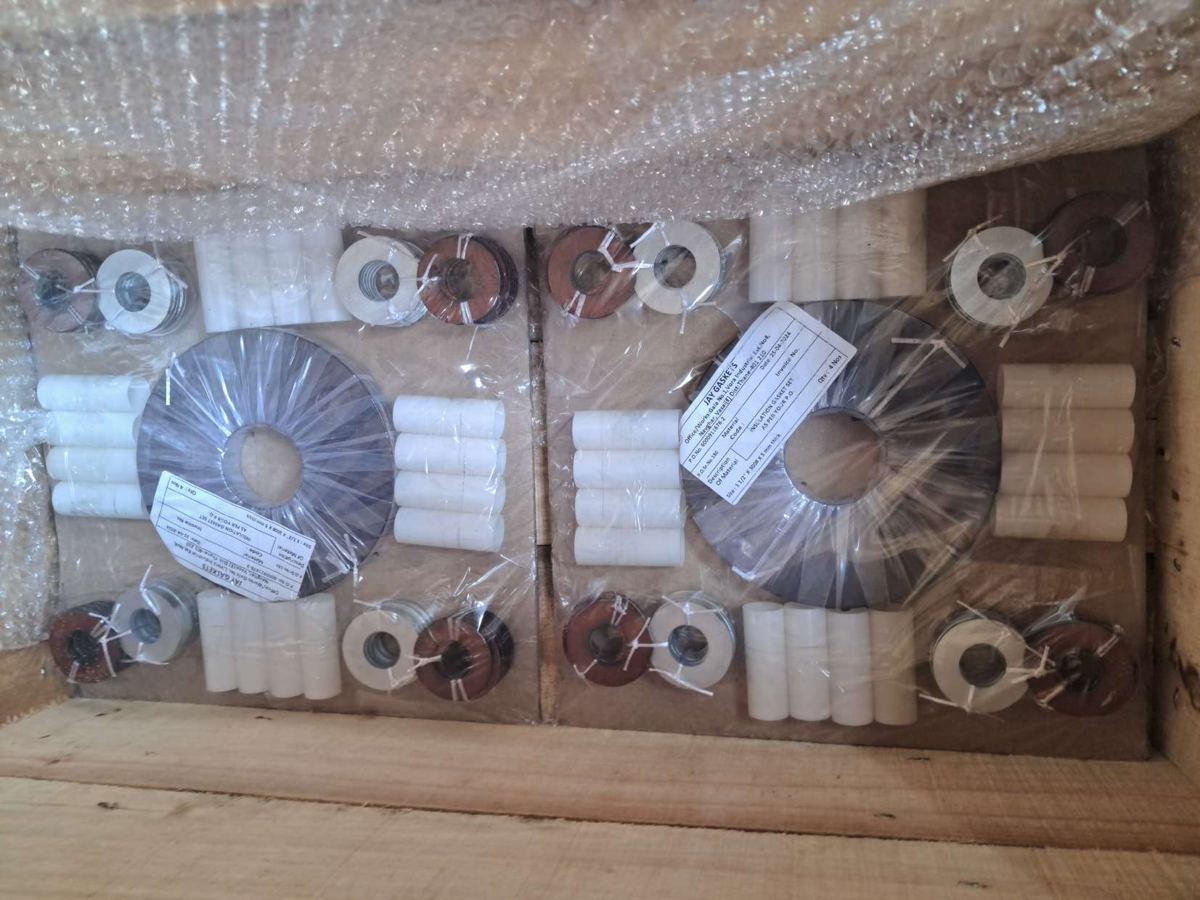
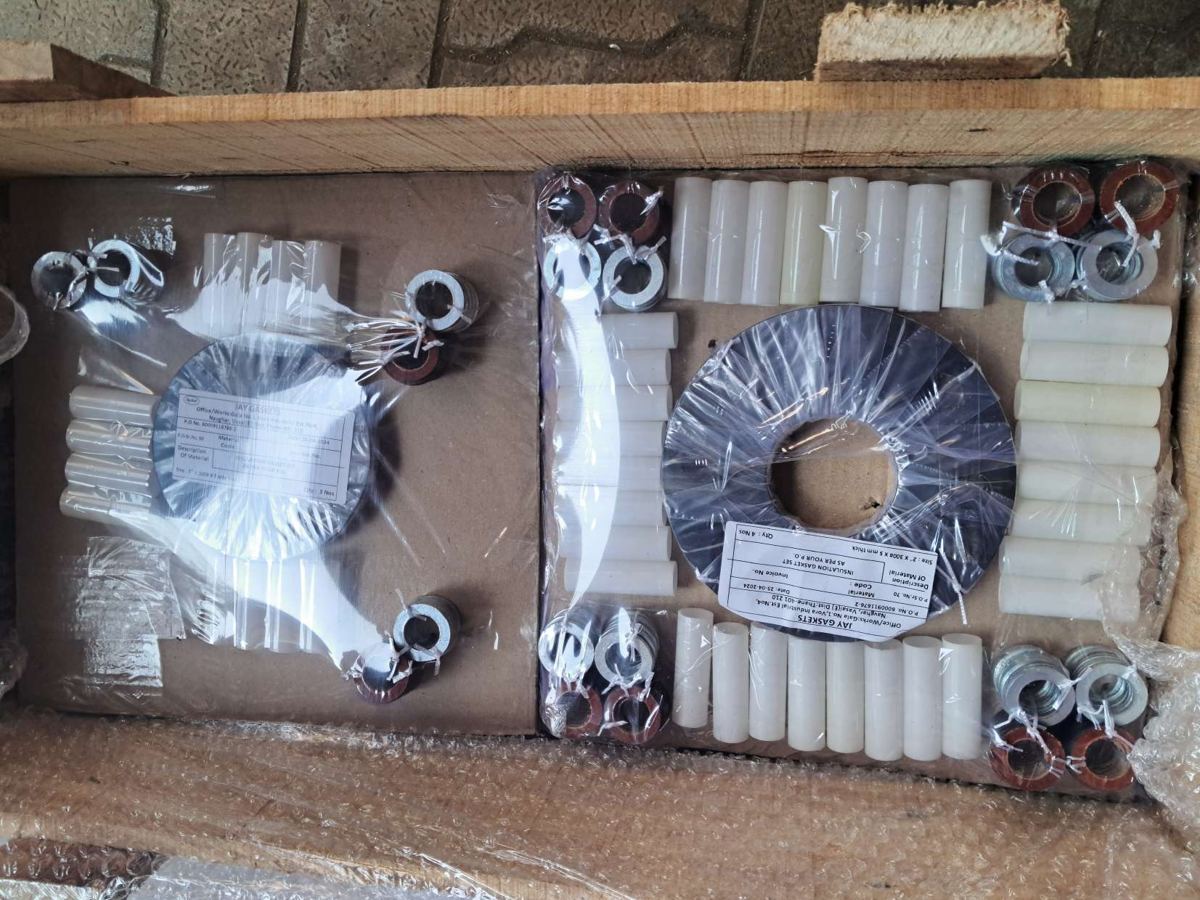
Packed per flange, labelled. Each kit ships with its size, rating and material on the pack, ready for the fitter.
Kits ready for the pipeline.
Real insulation kits from our works, packed per flange for oil, gas and water projects.
See all photos in our gasket gallery →
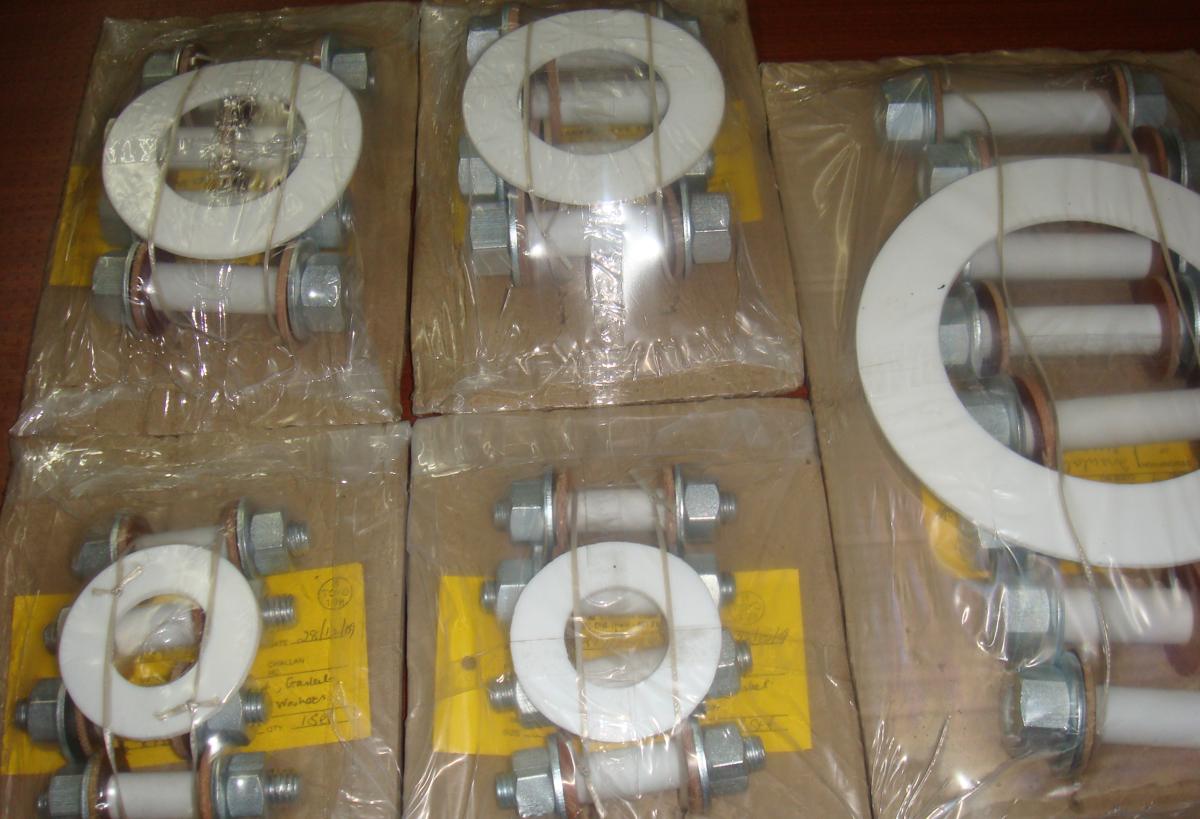
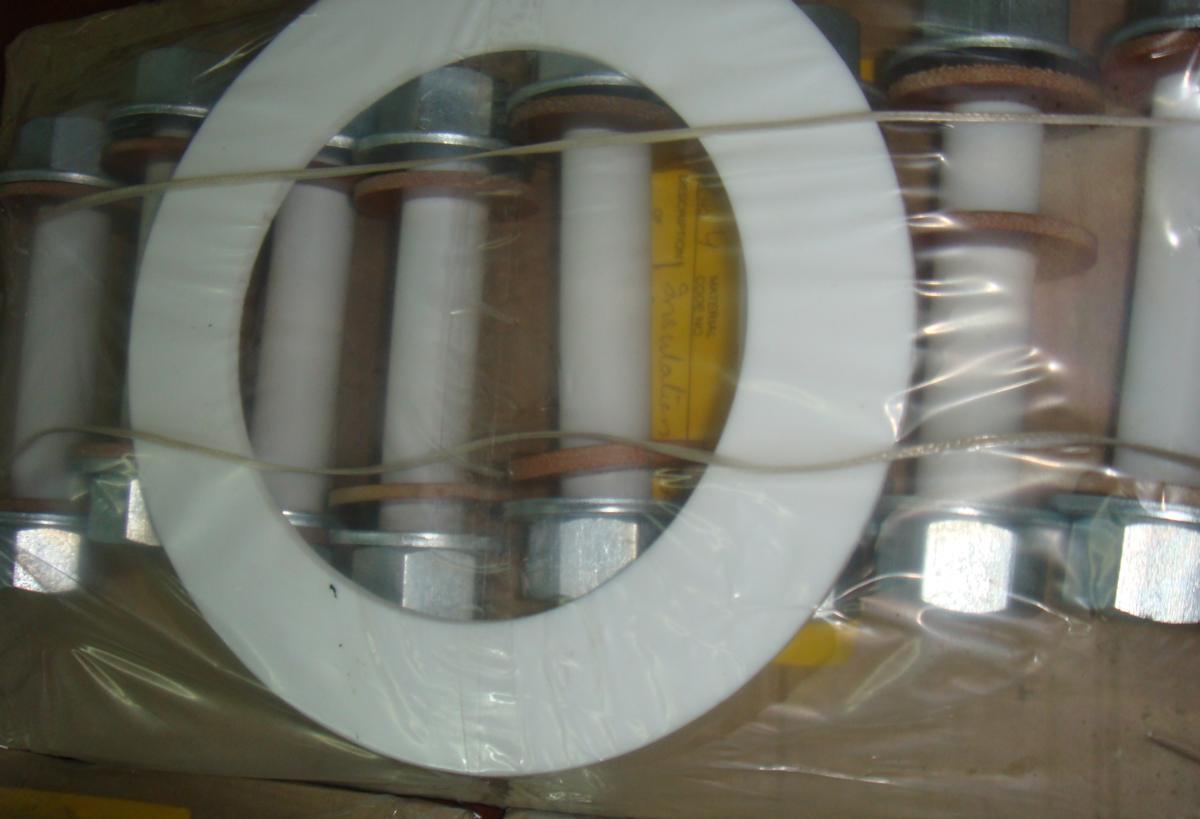
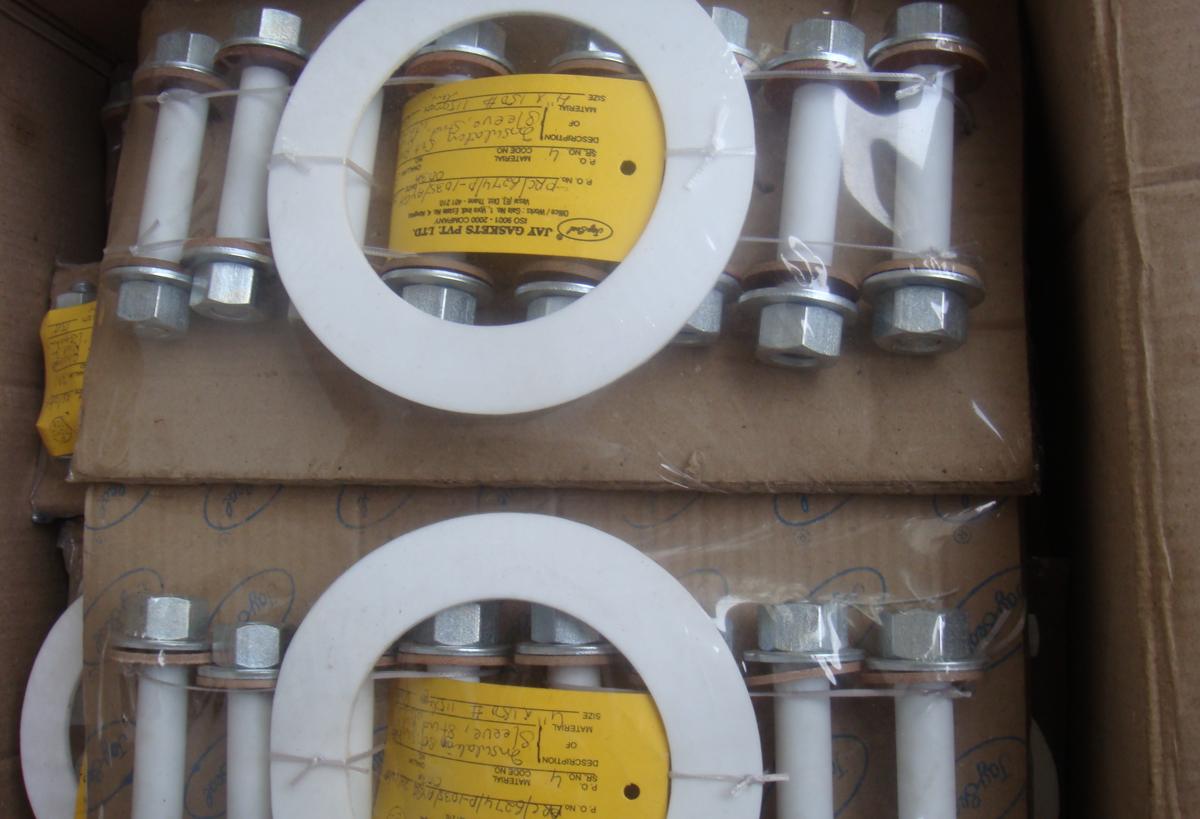
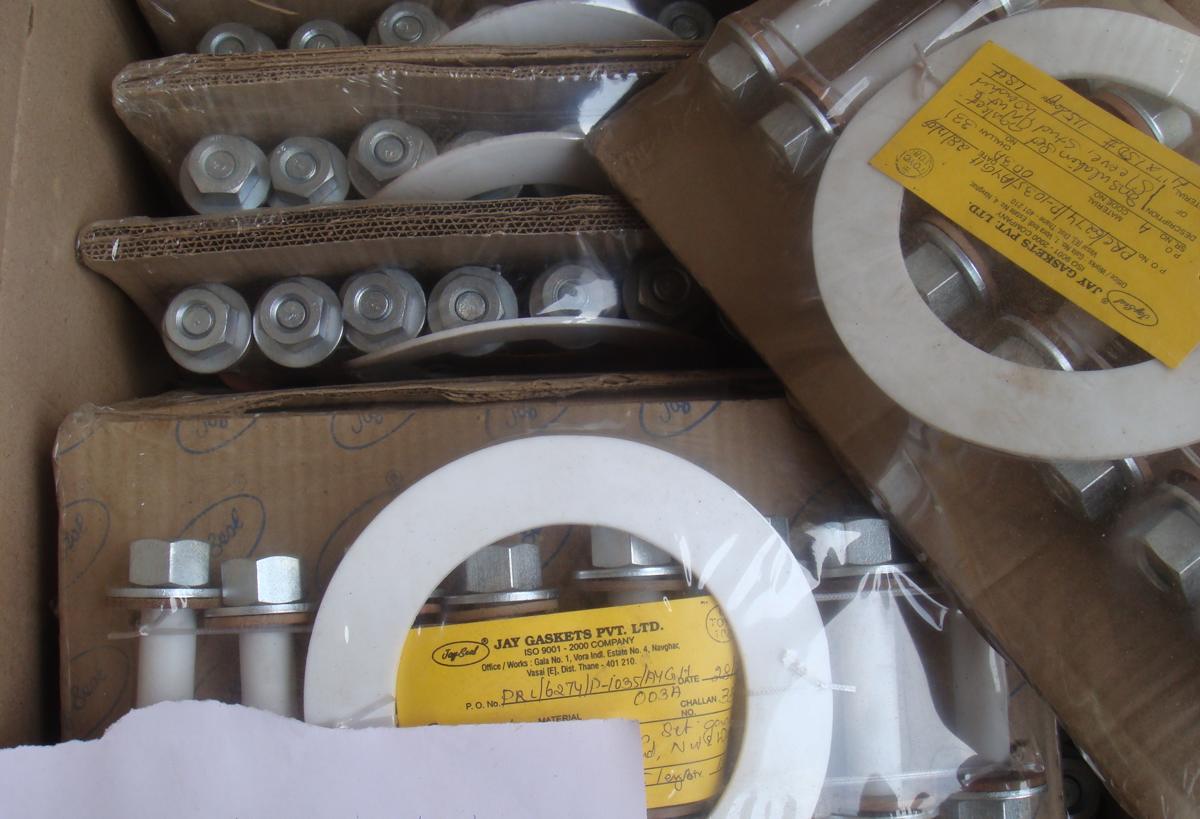
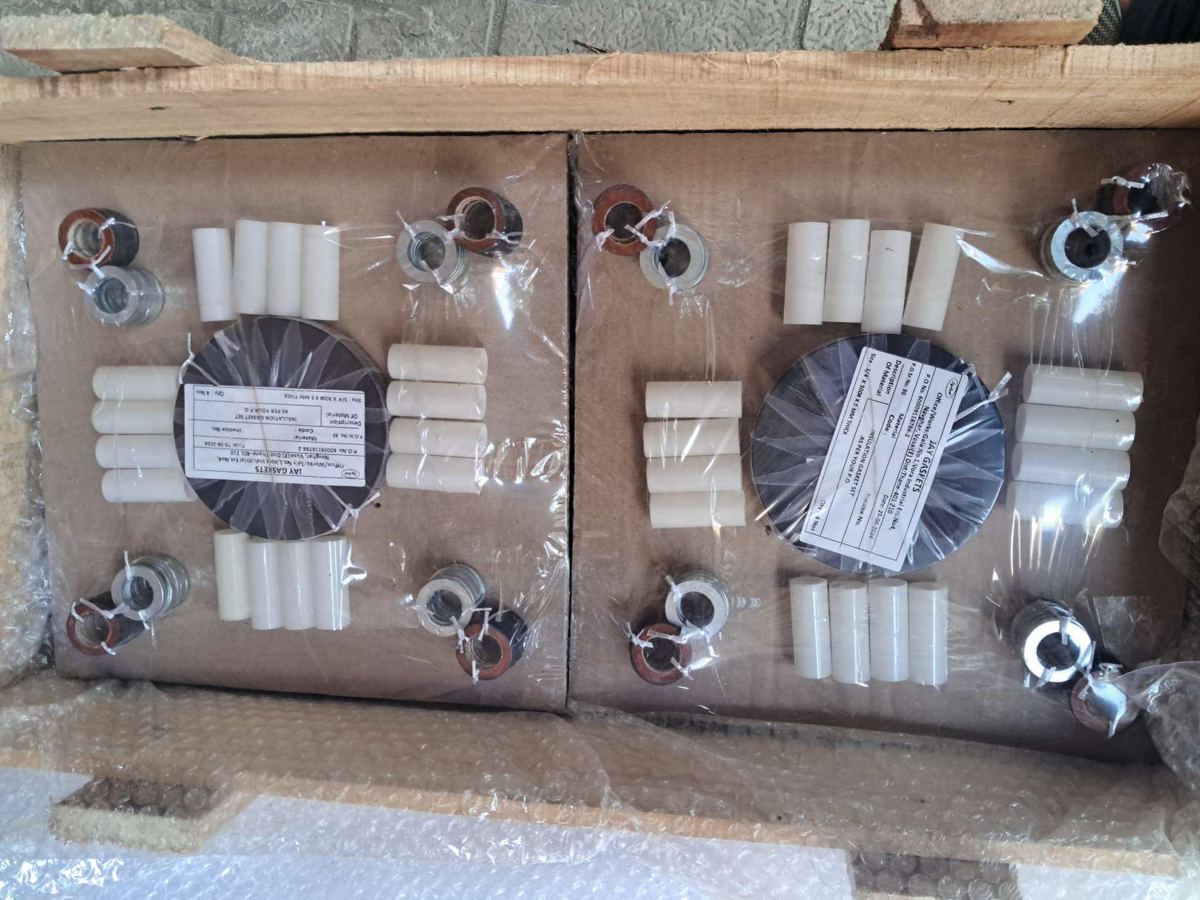
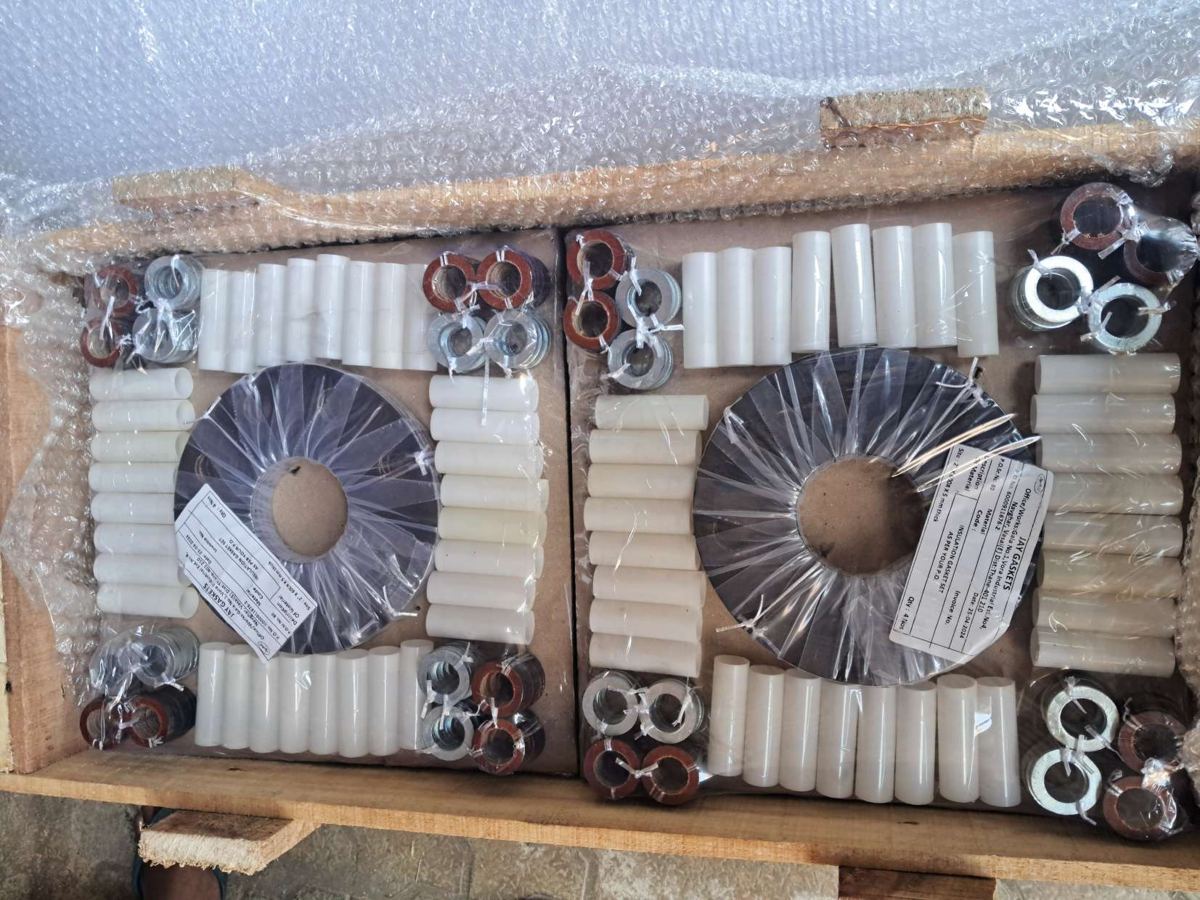
Kits for a whole pipeline.
From single replacements to full project quantities.
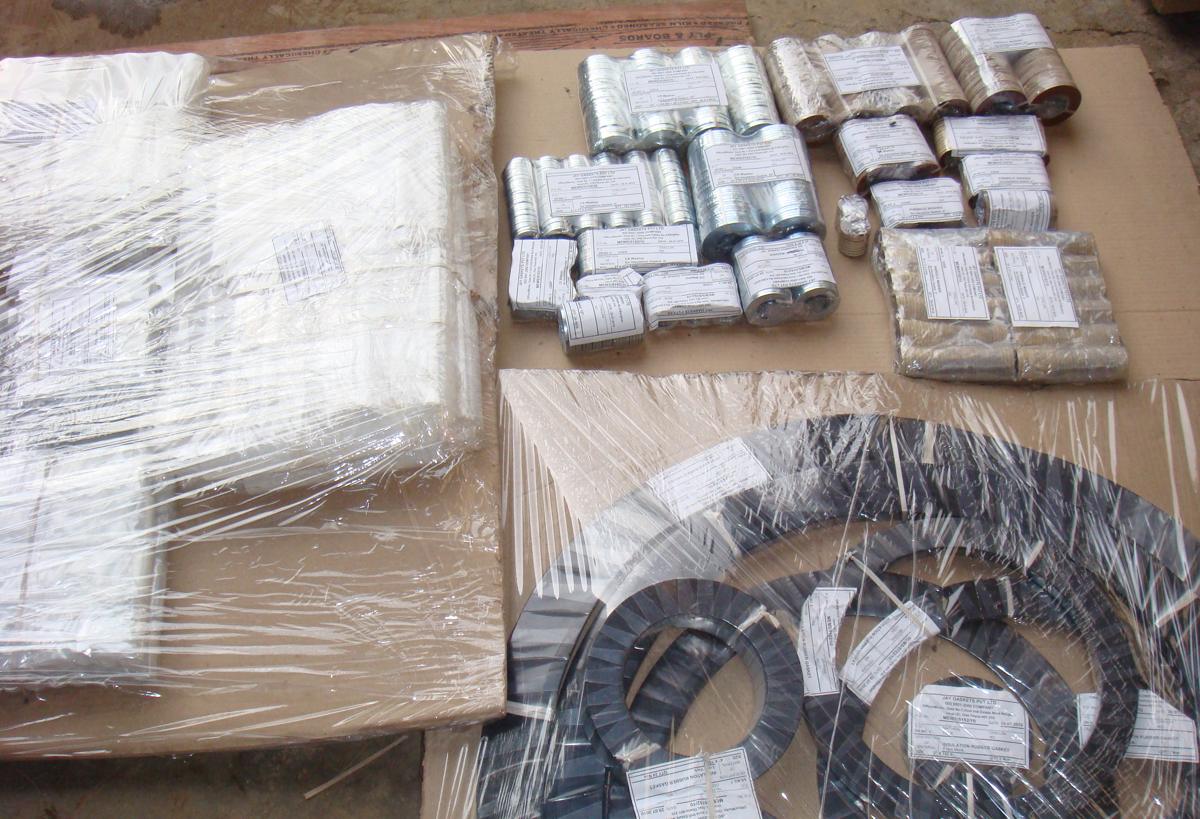
Project quantities
Hundreds of kits for pipeline and terminal projects, sorted and labelled by flange size.
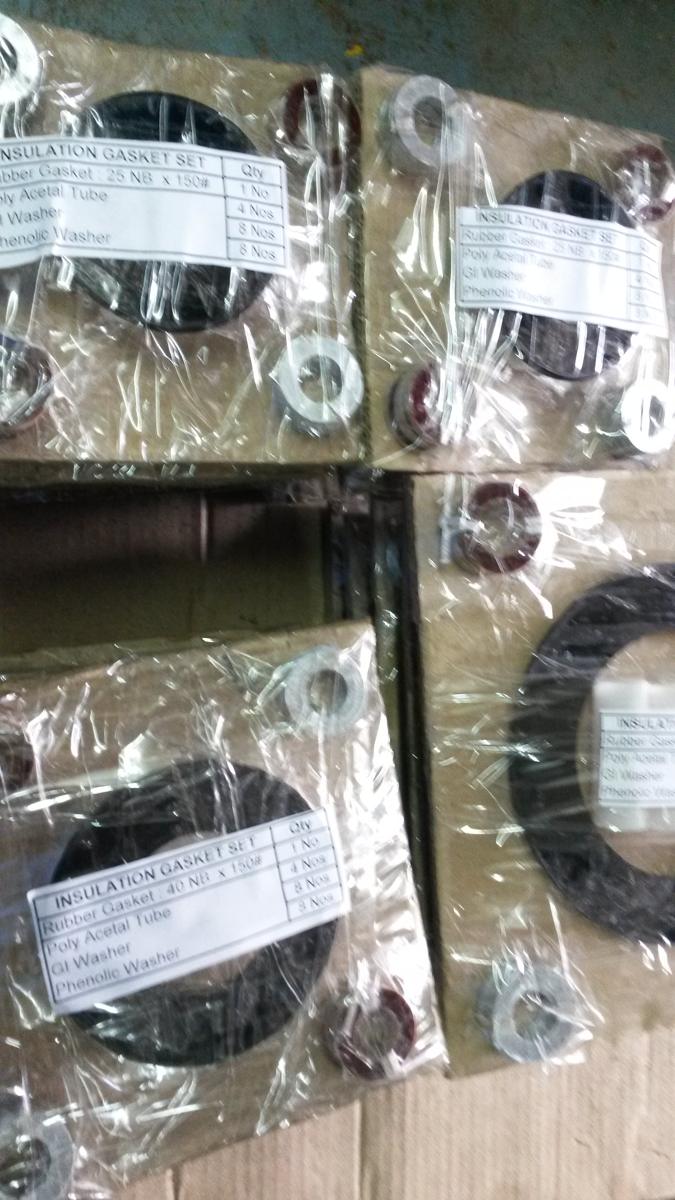
Neoprene faced kits
Economical kits for water lines and low-pressure utility service.
Spare sleeves & washers
Sleeves and washers supplied separately for maintenance and bolt changes.
Specifications
- Gasket types
- Type E full face, Type F raised face (IBC), Type D ring joint
- Flanges
- ASME B16.5, B16.47, API 6A, MSS SP-44 and others
- Pressure class
- Class 150 to 900 and above on request
- Gasket material
- Neoprene faced phenolic, plain phenolic, G-10 GRE
- Sleeves
- Full length; phenolic, polyacetal or G-10
- Washers
- Insulating phenolic or G-10, plus plated steel
- Kit contents
- 1 gasket, 1 sleeve per bolt, 2 insulating + 2 steel washers per bolt
- Packing
- One labelled pack per flange joint
- Inspection
- Third-party inspection by LR, BV, TÜV, SGS and others
gasket vendor
Protecting pipelines and terminals
Insulation kits, answered.
What is a flange insulation gasket kit?
A set of a gasket, bolt sleeves and washers that seals a flange joint and electrically isolates the two flanges, so stray current and galvanic corrosion cannot pass through the joint.
Why are insulation kits used with cathodic protection?
They separate a protected section of pipeline from unprotected equipment, so the cathodic protection current stays where it is meant to and the system works efficiently.
What is the difference between Type E, F and D kits?
Type E is a full-face gasket with bolt holes. Type F sits inside the bolt circle on raised face flanges. Type D is an insulating ring for RTJ flange grooves.
Should I choose neoprene faced phenolic or G-10?
Neoprene faced phenolic suits water and low-pressure service. G-10 glass reinforced epoxy has higher strength and temperature resistance and suits hydrocarbon and high-pressure lines.
What do you need to quote insulation gasket kits?
Flange size, pressure class and standard, flange face (flat, raised or RTJ), gasket type, materials, bolt size and length, and quantity.
Send your drawing.
Get a price.
Tell us the gasket type, size or drawing, material, pressure class, standard and quantity. Our engineers reply with price and delivery.
Quick enquiry
Replies go straight to our sales team.