
Camprofile · Grooved gaskets · DIN 2697 · Mumbai, IndiaKammprofile Gaskets
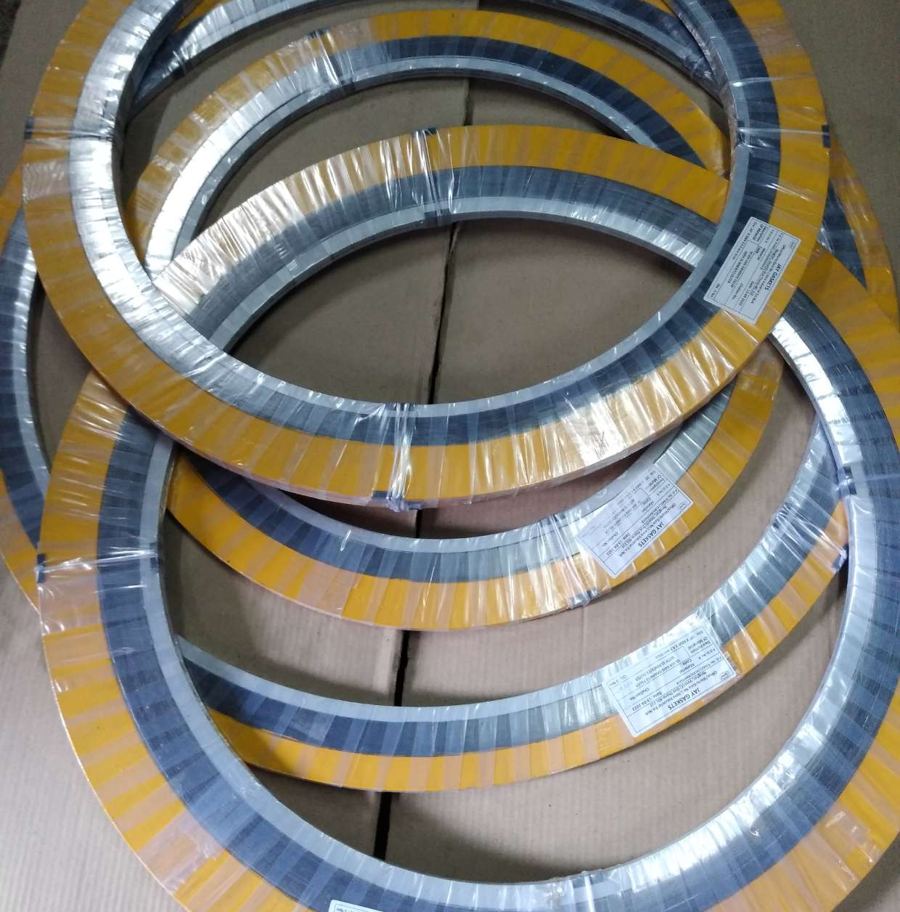
A serrated solid metal core with thin graphite or PTFE facings. Seals tighter at lower bolt load than jacketed gaskets, and copes with flange rotation and thermal cycling in heat exchangers and process piping.
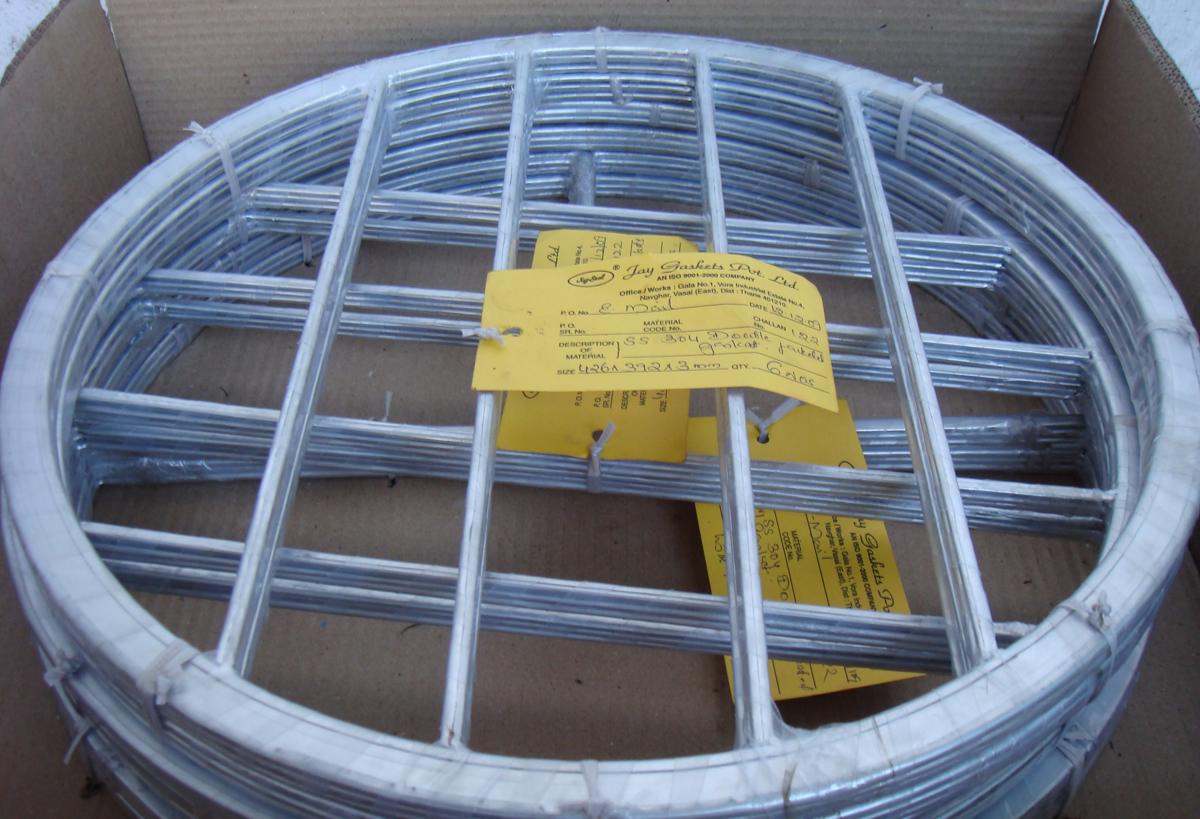
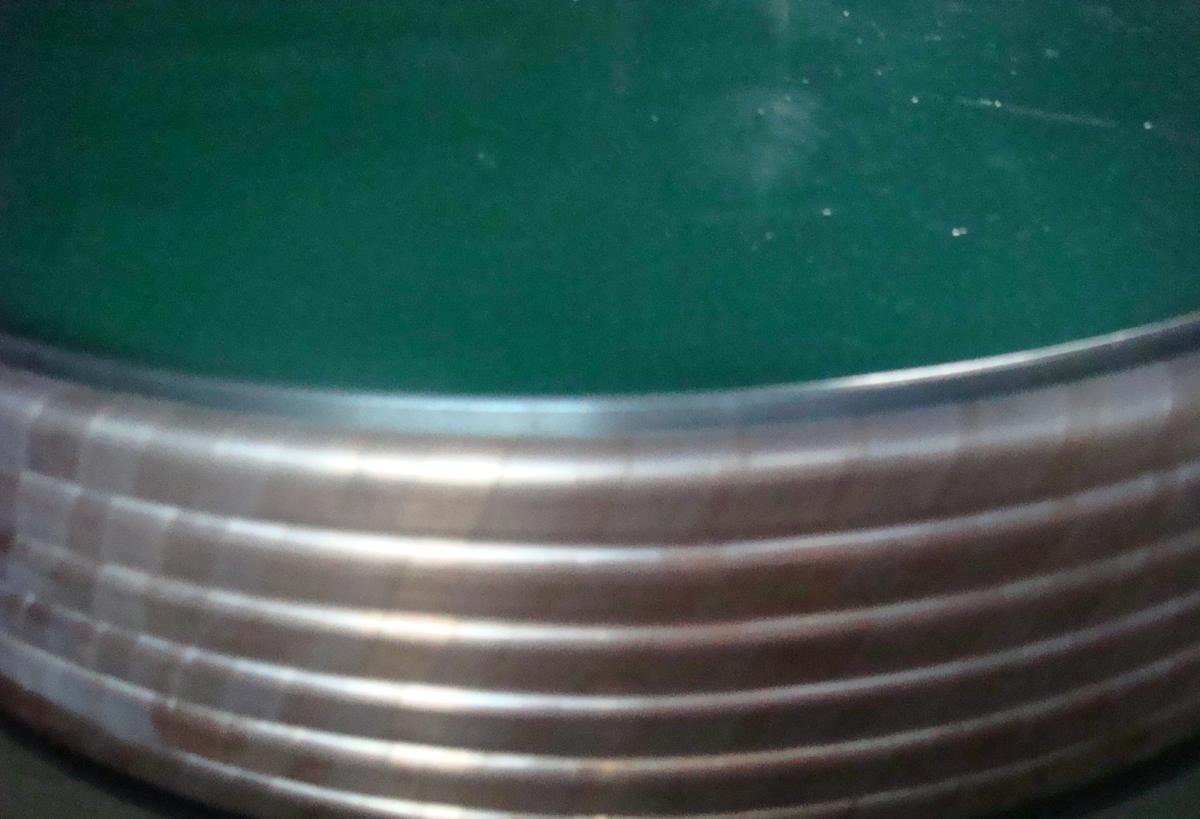
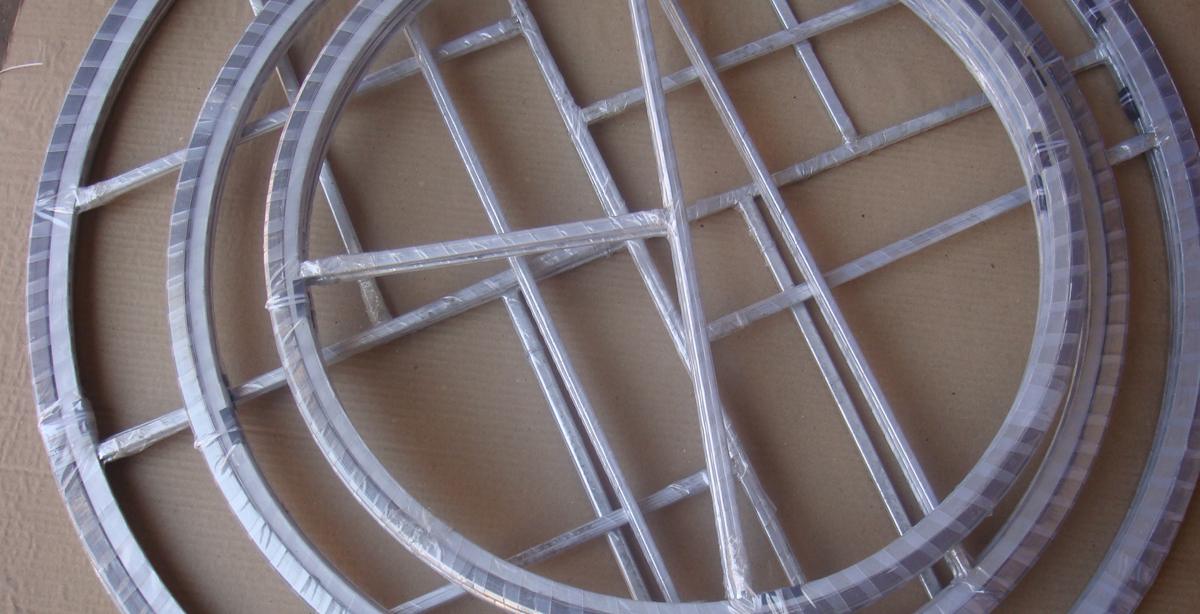
Teeth under a soft skin.
Concentric serrations on both faces of a solid metal core concentrate the bolt load into narrow rings. The thin facing flows into the grooves and the flange finish, giving many small seals in series.
Serrated core
Solid stainless steel or alloy, machined with concentric serrations on both faces. It carries the load and never blows out.
Soft facing
Thin flexible graphite, PTFE or silver layers bonded to each face, filling the serrations and flange marks.
Outer ring
Integral or loose ring that centres the gasket in raised face flanges. A loose ring lets the core expand freely with heat.
Four styles for four flange faces.
Pick by flange face, temperature cycling and how much thermal growth the joint sees.
Core only
Serrated core with facings, no ring. For tongue and groove, male-female and recessed flanges.
Confined jointsIntegral ring
Centering ring machined as part of the core. Rigid and easy to install on raised face flanges.
ASME B16.5 / B16.47Loose ring
Separate outer ring lets the core grow with heat. Best for large diameters and thermal cycling.
Thermal cyclingConvex profile
Slightly convex serrated core for uneven or warped flanges that need extra conformability.
Damaged flangesCore for the fluid. Facing for the duty.
Match the core metal to the flange metal where possible, to avoid galvanic corrosion and uneven expansion. The facing sets the temperature limit.
Core metal
Solid, machined
Facing
Bonded to both faces
Re-faceable. At a shutdown, the solid core can often be cleaned and fitted with new facings instead of being scrapped.
Made for exchanger joints.
Heat exchanger and special gaskets from our works, made to the customer's drawing.
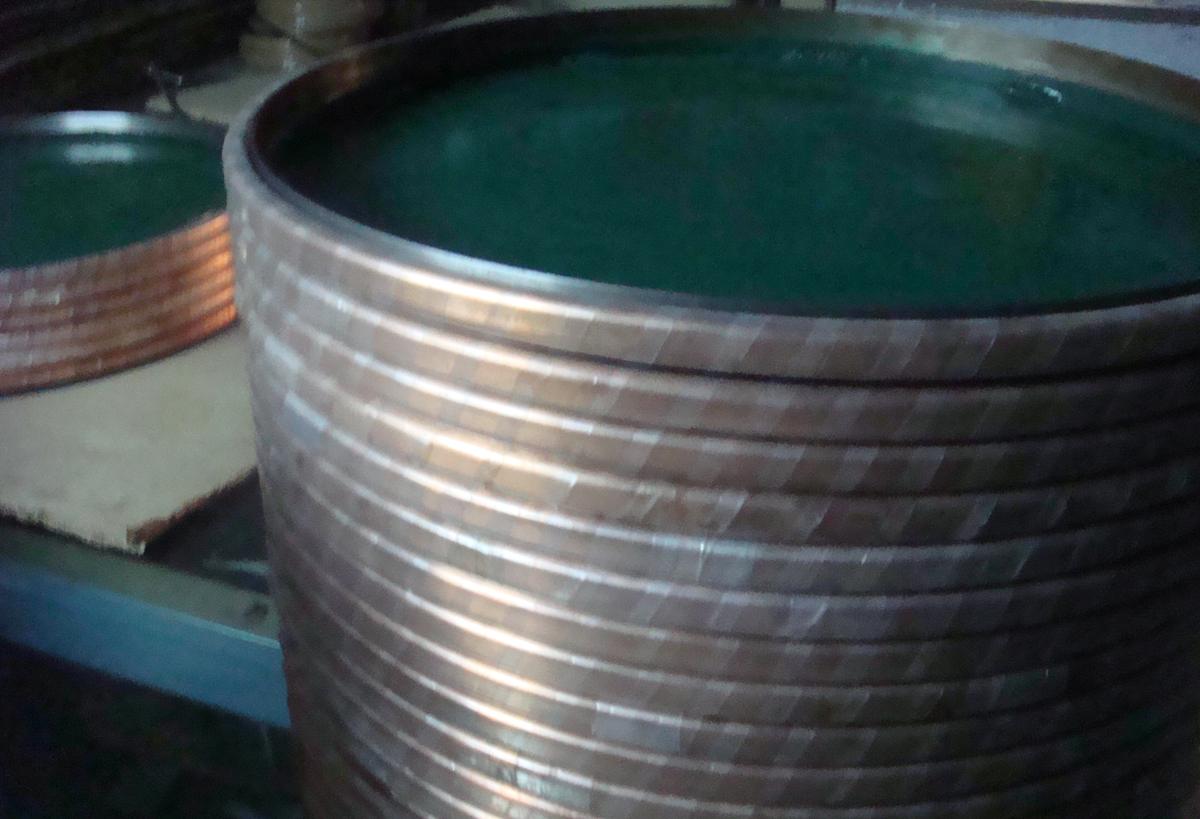
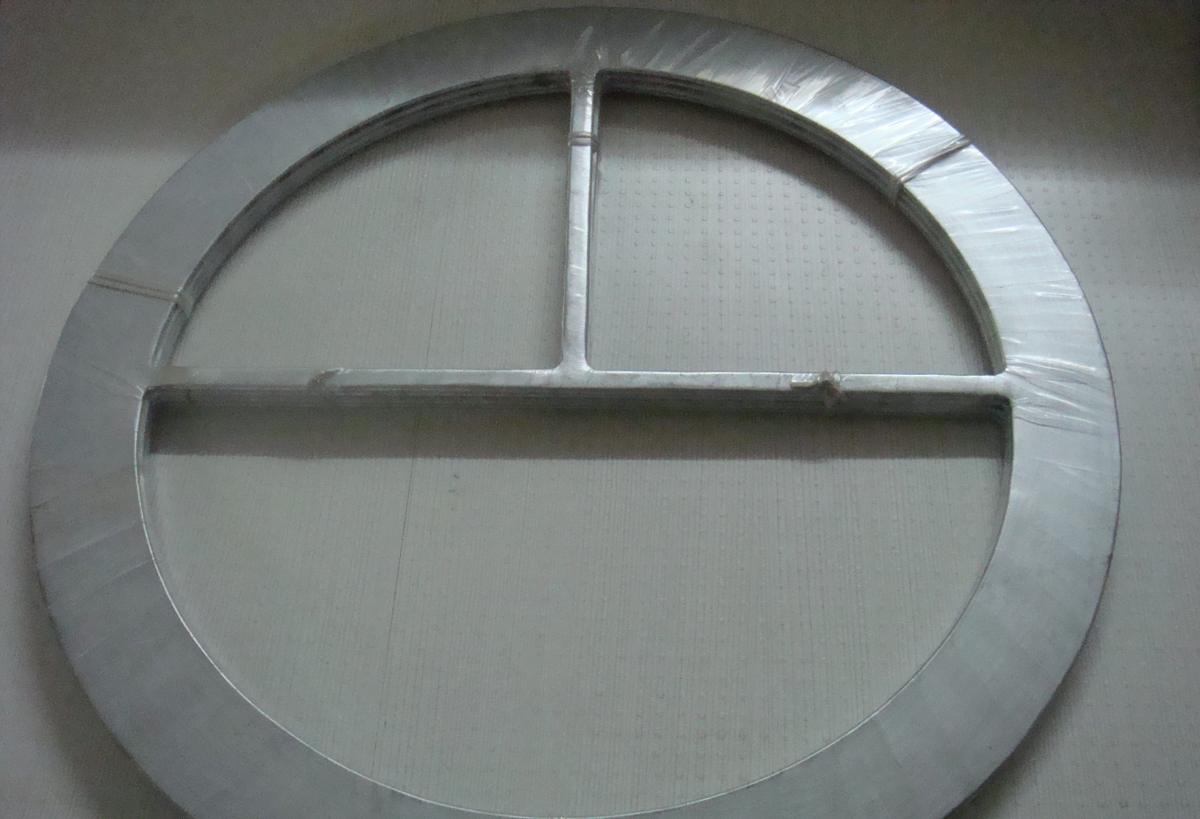
When jacketed gaskets keep leaking.
Kammprofile is the usual upgrade for difficult exchanger and process joints.
Heat exchanger channels
Kammprofile with pass partition bars for shell and tube exchangers, to TEMA or your drawing.
Thermal cycling
Loose-ring designs ride out repeated heat-up and cool-down without losing load.
Low bolt load
Seals at lower bolt stress than jacketed or flat metal gaskets, protecting lightly built flanges.
Specifications
- Standards
- DIN 2697, EN 1514-6, ASME B16.20 dimensions, or to drawing
- Flanges
- ASME B16.5, B16.47 Series A & B, DIN, tongue & groove
- Styles
- Core only, integral ring, loose ring, convex profile
- Core
- SS 304/316/321/347, carbon steel, Monel, Inconel, Hastelloy
- Facing
- Flexible graphite, PTFE, expanded PTFE, silver
- Pressure
- Up to about 250 bar, depending on size and facing
- Temperature
- Up to about 450 °C with graphite in air; higher with silver
- Shapes
- Round, oval, with pass partition ribs, to drawing
- Inspection
- Third-party inspection by LR, BV, TÜV, SGS and others
gasket vendor
Specified for refinery and exchanger joints
Kammprofile gaskets, answered.
What is a kammprofile gasket?
A gasket with a solid metal core machined with concentric serrations on both faces, covered with thin graphite, PTFE or silver facings. It is also called a camprofile or grooved gasket.
Kammprofile or spiral wound: which is better?
Both suit high pressure and temperature. Kammprofile seals at lower bolt load and handles flange rotation and heat exchanger joints better; spiral wound is the standard choice for most ASME pipe flanges.
Kammprofile or double jacketed for heat exchangers?
Kammprofile usually gives a tighter seal at lower bolt stress and is the common upgrade where jacketed gaskets leak or need retightening.
Integral or loose outer ring?
An integral ring is simpler and rigid. A loose ring lets the core expand freely, which is better for large diameters and joints that see big temperature swings.
What do you need to quote kammprofile gaskets?
Flange size and standard or the exchanger drawing, style, core metal, facing material, pass partition layout if any, and quantity.
Send your drawing.
Get a price.
Tell us the gasket type, size or drawing, material, pressure class, standard and quantity. Our engineers reply with price and delivery.
Quick enquiry
Replies go straight to our sales team.