
Flexible graphite · Reinforced & tanged · Mumbai, IndiaGraphite Gaskets
Die-cut flexible graphite gaskets that take thermal shock, seal at modest bolt load and do not stick to the flange. Plain, foil-laminated, mesh-reinforced or tanged, in any size or shape.
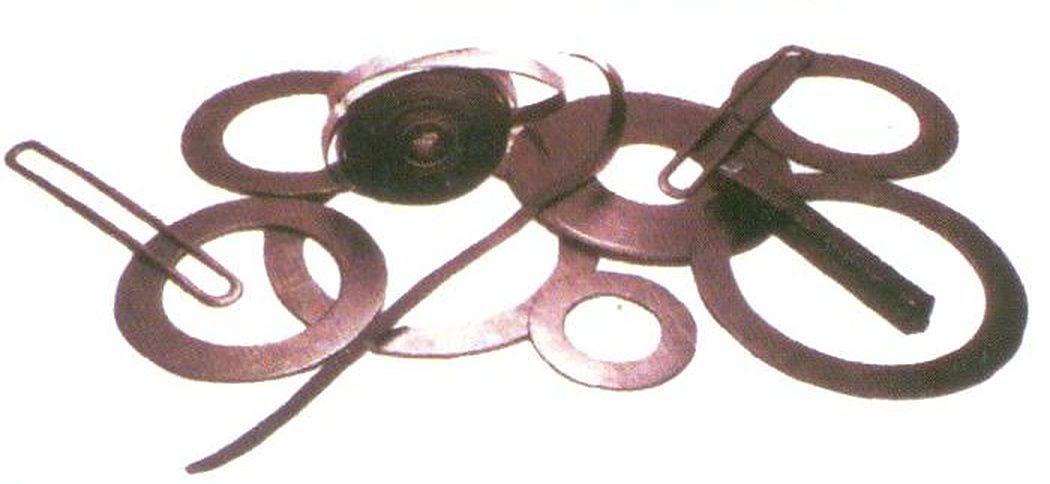
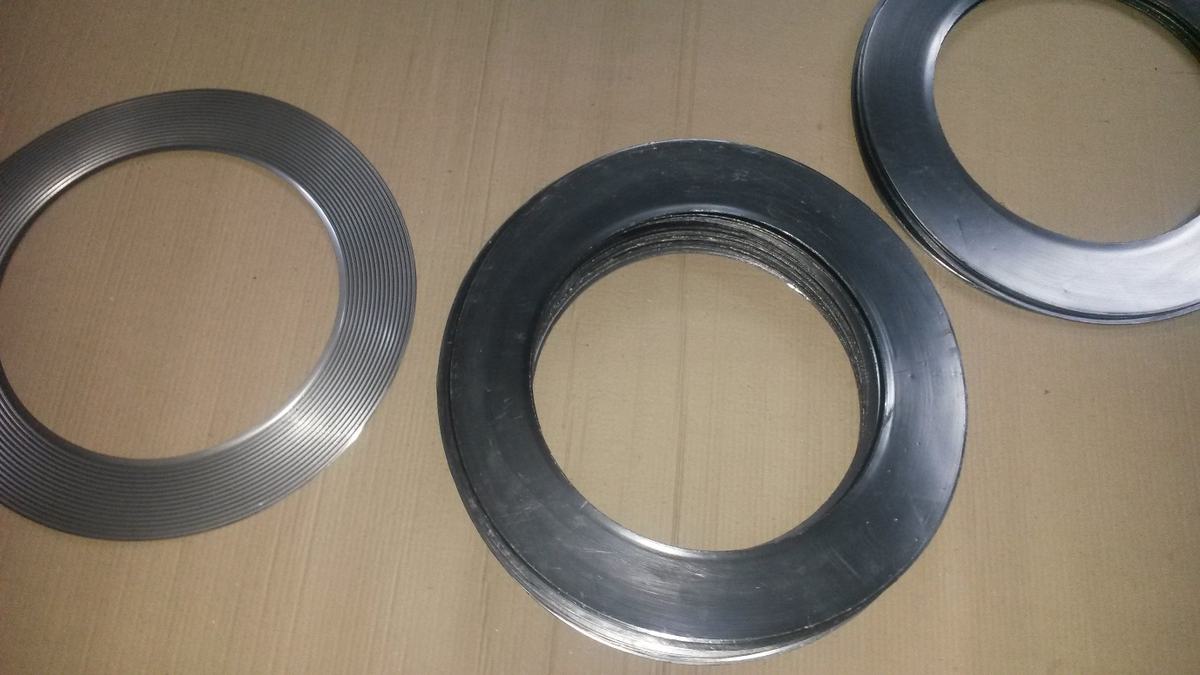
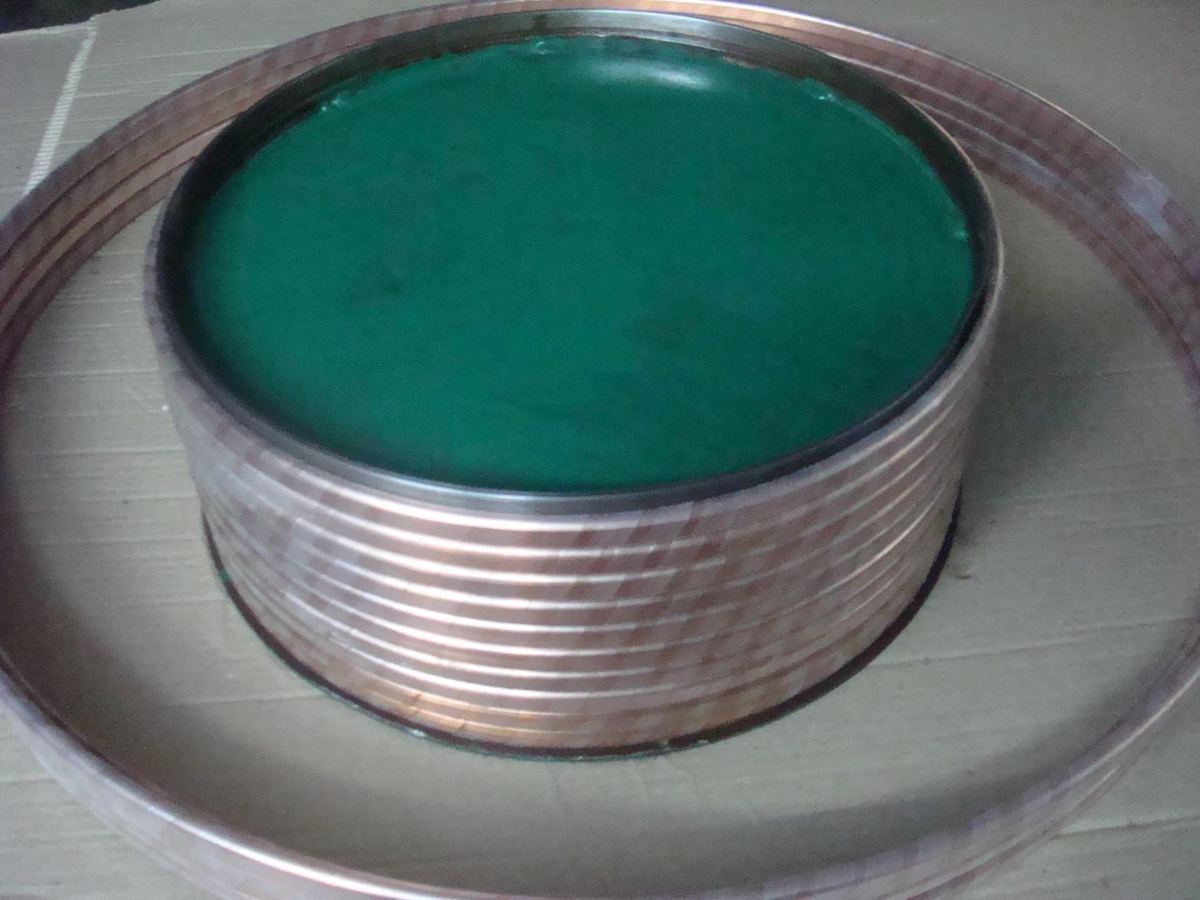
Four sheets. Pick by pressure.
All are cut from flexible graphite sheet. The reinforcement decides how much pressure and handling the gasket can take.
Plain graphite
Pure flexible graphite sheet. Highly compressible for low bolt loads and delicate flanges.
Low pressureSS foil laminated
Graphite layers bonded to a thin stainless steel foil. Stronger and easier to handle and cut.
General serviceWire-mesh reinforced
Stainless steel screen wire inside the graphite for blow-out resistance and stiffness.
Higher pressureTanged metal
Graphite mechanically locked onto a perforated tanged stainless sheet. The toughest grade for steam and hot oil.
Steam & hot oilGraphite in our gaskets.
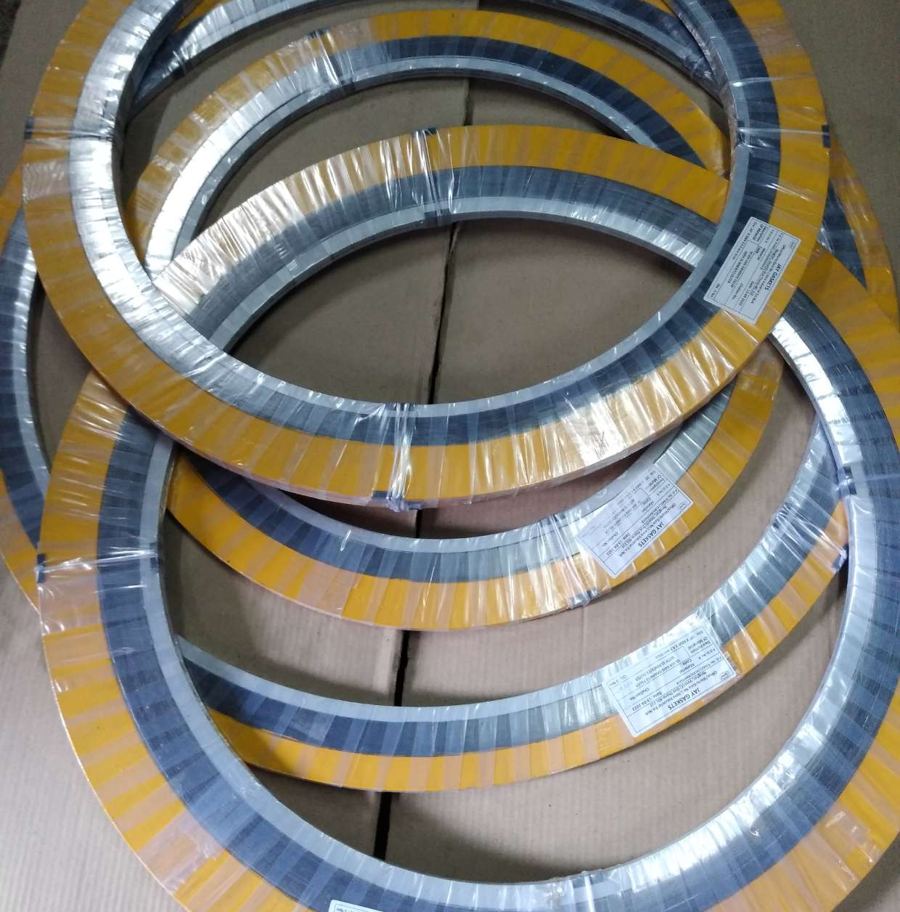
Graphite sheet gaskets, and the graphite facings and fillers we use in kammprofile and spiral wound gaskets.
Hot, cycling, hard-to-open joints.
Graphite gaskets and graphite-faced metal gaskets cover most hot process service.
Steam and hot oil lines
Tanged graphite gaskets hold up where fibre sheet hardens and cracks.
Facings on metal gaskets
Graphite faces our kammprofile gaskets and fills our spiral wound gaskets.
Special shapes
Rings, full-face, oval and manhole gaskets cut to drawing, with segment joints for big sizes.
Specifications
- Grades
- Plain, SS foil laminated, wire-mesh reinforced, tanged SS
- Shapes
- Ring (IBC), full face, oval, manhole, to drawing
- Standards
- ASME B16.21, DIN, IS, or customer drawing
- Thickness
- Typically 1.5, 2 and 3 mm; others on request
- Temperature
- About 450 °C in air; higher in steam or inert service
- Service
- Steam, hot oil, hydrocarbons, most chemicals
- Not for
- Strong oxidisers such as concentrated nitric acid
- Also as
- Facing on kammprofile, filler in spiral wound
- Inspection
- Third-party inspection by LR, BV, TÜV, SGS and others
What graphite does better.
From the JaySeal catalogue: the properties that make graphite the default soft gasket for hot and cycling service.
Flexible graphite gasket properties
| Property | What it means on the joint |
|---|---|
| Withstands thermal shock | No cracking on sudden heat-up or cool-down |
| Very low thermal expansion | Bolt load is not lost as the joint heats and cools |
| Excellent compressibility, good recovery | Fills flange marks and follows small movements |
| Low creep relaxation | Holds bolt load in long hot service; less re-tightening |
| Seals at moderate bolt load | Suits lighter flanges and equipment covers |
| Self-lubricating, does not stick | Comes off the flange cleanly at shutdown |
| Non-corrosive, non-abrasive | Safe on stainless and alloy flanges; not affected by electro-corrosion |
Typical limit about 450 °C in oxidising (air) service and higher in steam or inert service; reinforcement and joint design set the pressure limit. Ask us for your duty.
gasket vendor
Supplied to refineries and process plants
Graphite gaskets, answered.
What is a graphite gasket?
A gasket cut from flexible (expanded) graphite sheet, plain or reinforced with stainless steel foil, wire mesh or a tanged metal insert. It seals well in hot, cycling service and does not stick to the flange.
Plain or tanged graphite: which should I use?
Plain graphite suits low pressure and delicate flanges. Tanged or reinforced graphite is stronger, easier to handle and the usual choice for steam and hot oil lines.
What temperature can a graphite gasket take?
About 450 °C in oxidising (air) service and higher in steam or inert service. The reinforcement and joint design decide the pressure limit.
Graphite or non-asbestos (CNAF) gasket?
Graphite takes higher temperatures and thermal shock and does not harden or stick over time. Non-asbestos sheet costs less and is fine for water, mild chemicals and moderate temperatures.
What do you need to quote graphite gaskets?
Size or drawing, flange standard and class, grade (plain, foil, mesh or tanged), thickness, the service fluid, temperature and quantity.
Send your drawing.
Get a price.
Tell us the gasket type, size or drawing, material, pressure class, standard and quantity. Our engineers reply with price and delivery.
Quick enquiry
Replies go straight to our sales team.