The difference at a glance
| CG | CGI | |
|---|---|---|
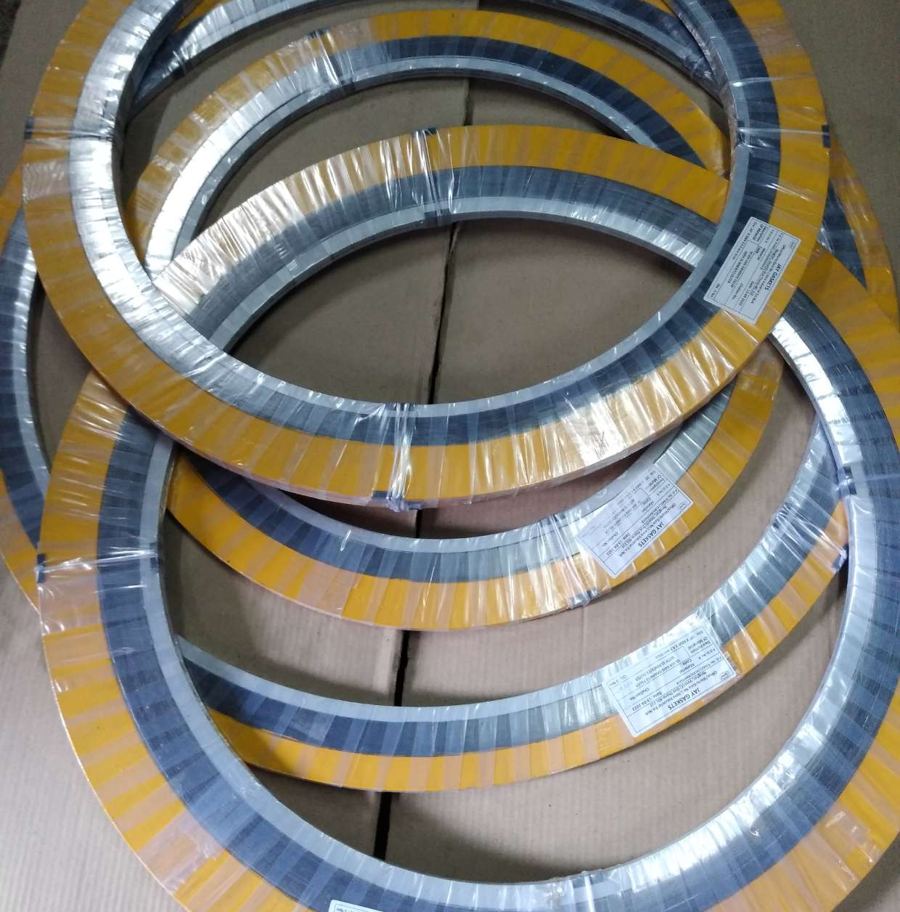
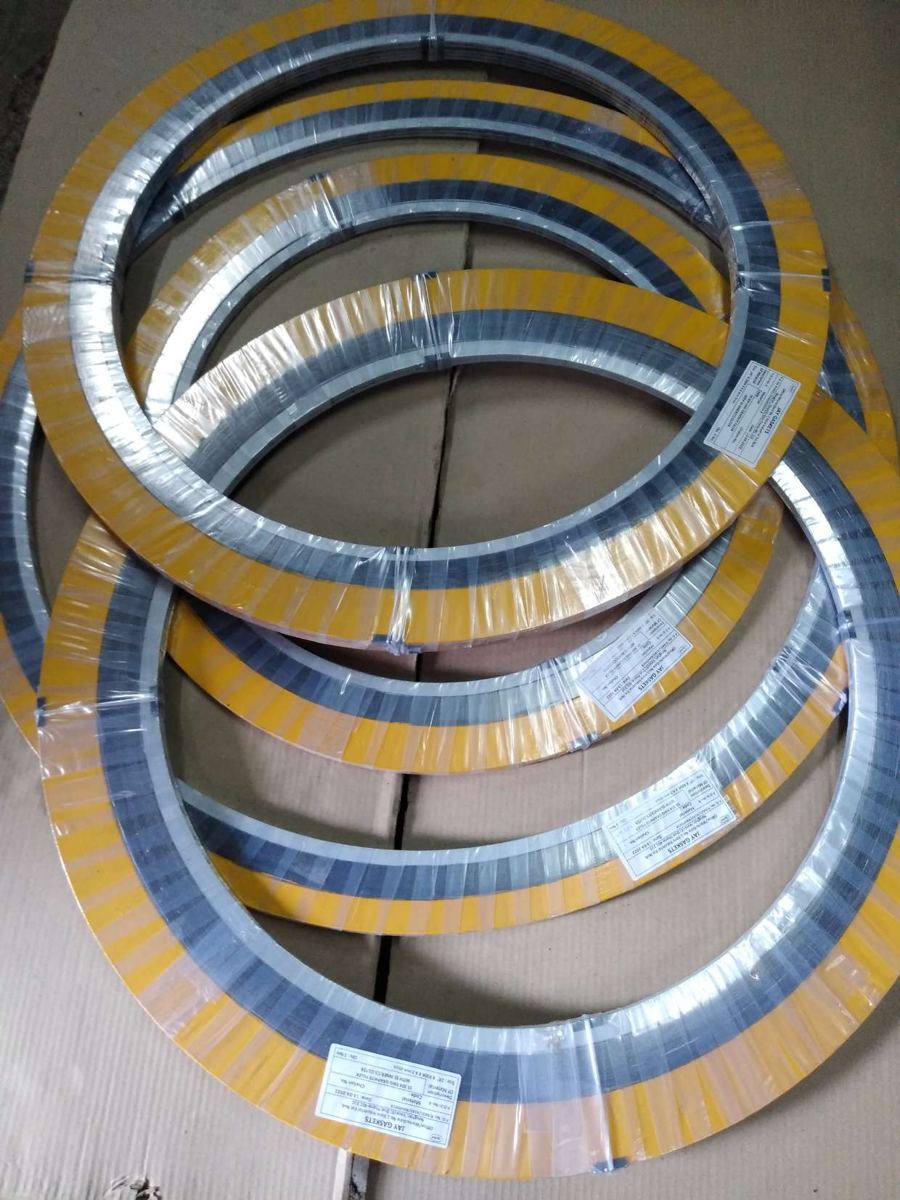
| Construction | Winding + outer ring | Winding + outer ring + inner ring |
| JaySeal type | JCR | JCRIR |
| Outer ring does | Centres the gasket, compression stop | Same |
| Inner ring does | — | Stops inward buckling, shields windings, fills the bore gap |
| Typical use | General service, lower classes | Higher classes, PTFE filler, critical service |
| Cost | Lower | Higher |
All four spiral wound styles
| Style | Rings | Flange type |
|---|---|---|
| R | None | Tongue and groove, male-female |
| RIR | Inner ring only | Male-female and groove flanges |
| CG | Outer ring only | Raised face and flat face |
| CGI | Inner and outer ring | Raised face and flat face |
What the inner ring does
- Prevents inward buckling. Under bolt load the windings can collapse into the pipe bore. The inner ring holds them.
- Protects the windings from the process fluid, heat and erosion.
- Reduces turbulence by filling the gap between the flange bore and the winding.
- Acts as a second compression stop.
When an inner ring is required
ASME B16.20 requires inner rings on:
- all spiral wound gaskets with PTFE filler;
- larger sizes in the higher pressure classes: NPS 24 and larger in class 900, NPS 12 and larger in class 1500, and NPS 4 and larger in class 2500.
The standard also recommends inner rings with flexible graphite filler unless the purchaser says otherwise, and many refinery and EPC specifications call for CGI on every joint. If in doubt, choose CGI.
Which should you order?
- Check the piping specification. If it says inner ring, order CGI.
- PTFE filler, vacuum service or class 900 and above: CGI.
- General utility service in class 150 and 300 with no specification: CG is commonly used.
See JaySeal spiral wound gaskets, the dimension chart including inner ring sizes, and why spiral wound gaskets fail.
Need a quote? Send size, class, material and quantity to sales@jaygaskets.com or WhatsApp +91 90821 00050.